Norse
Open-access object not placed.
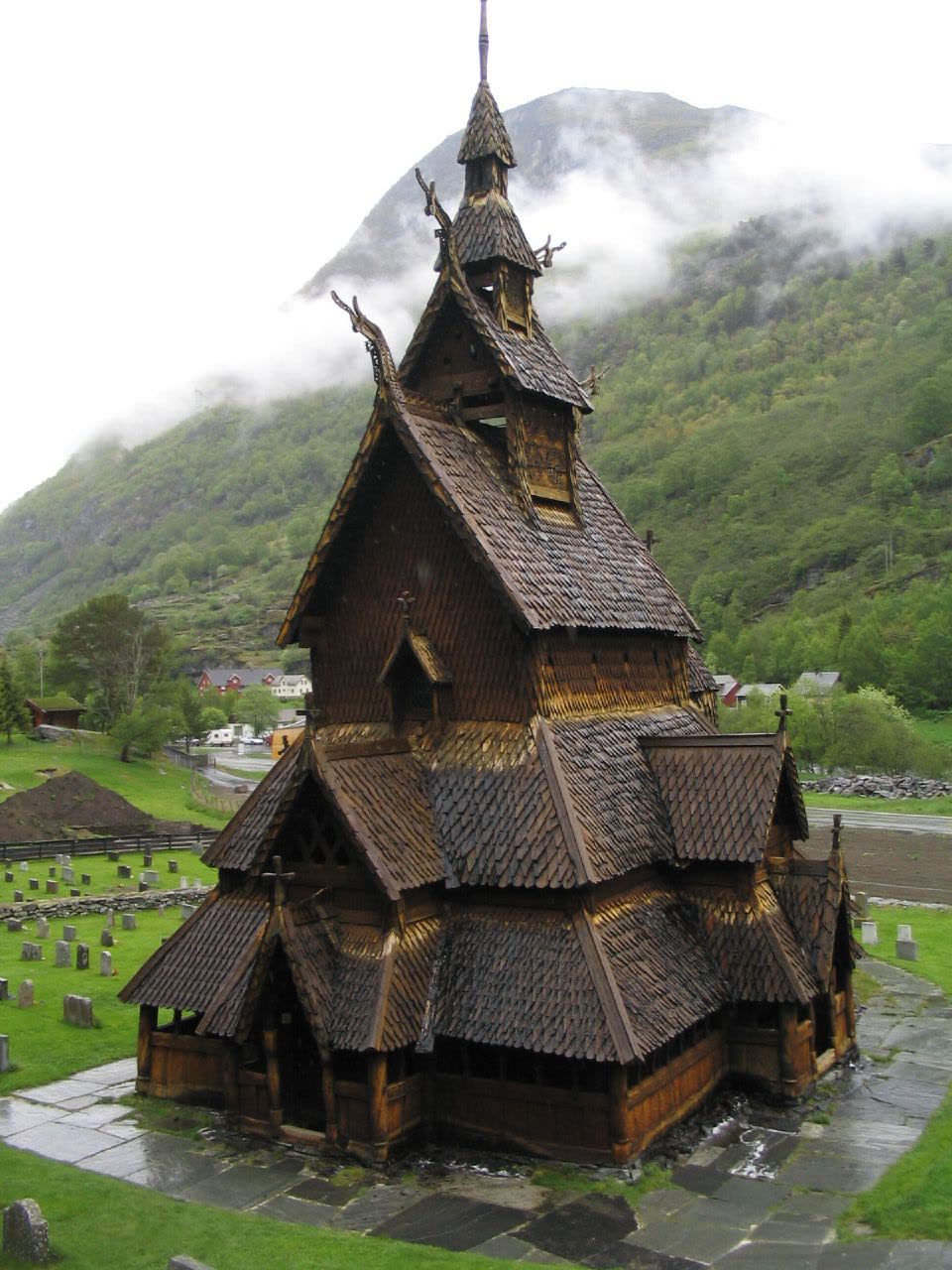
The Viking Age in Scandinavia is the subject of this panel. No ship is shown, and no raid is dated.
Preface
A dark field, before the record. No historical claim on this page.
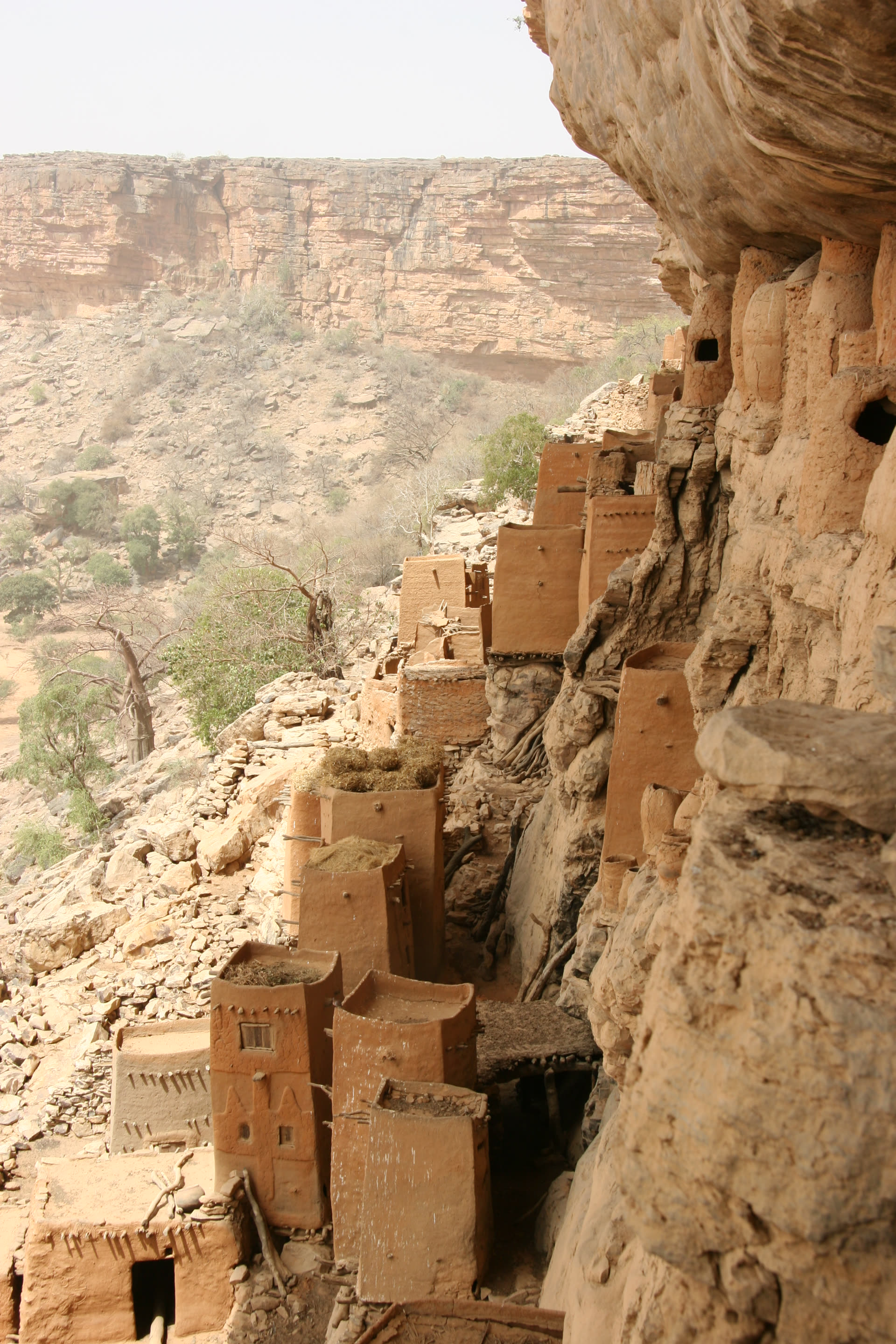
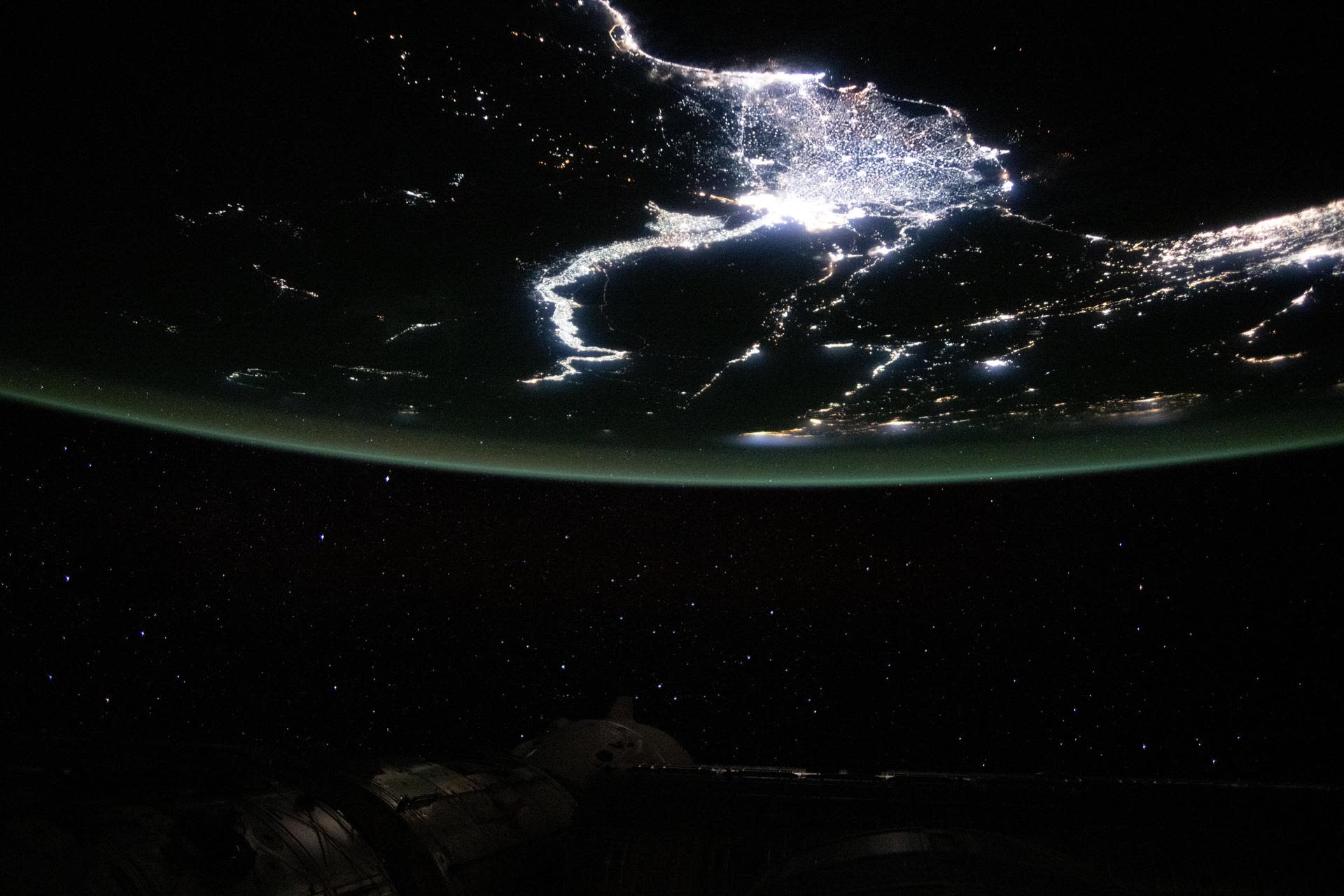
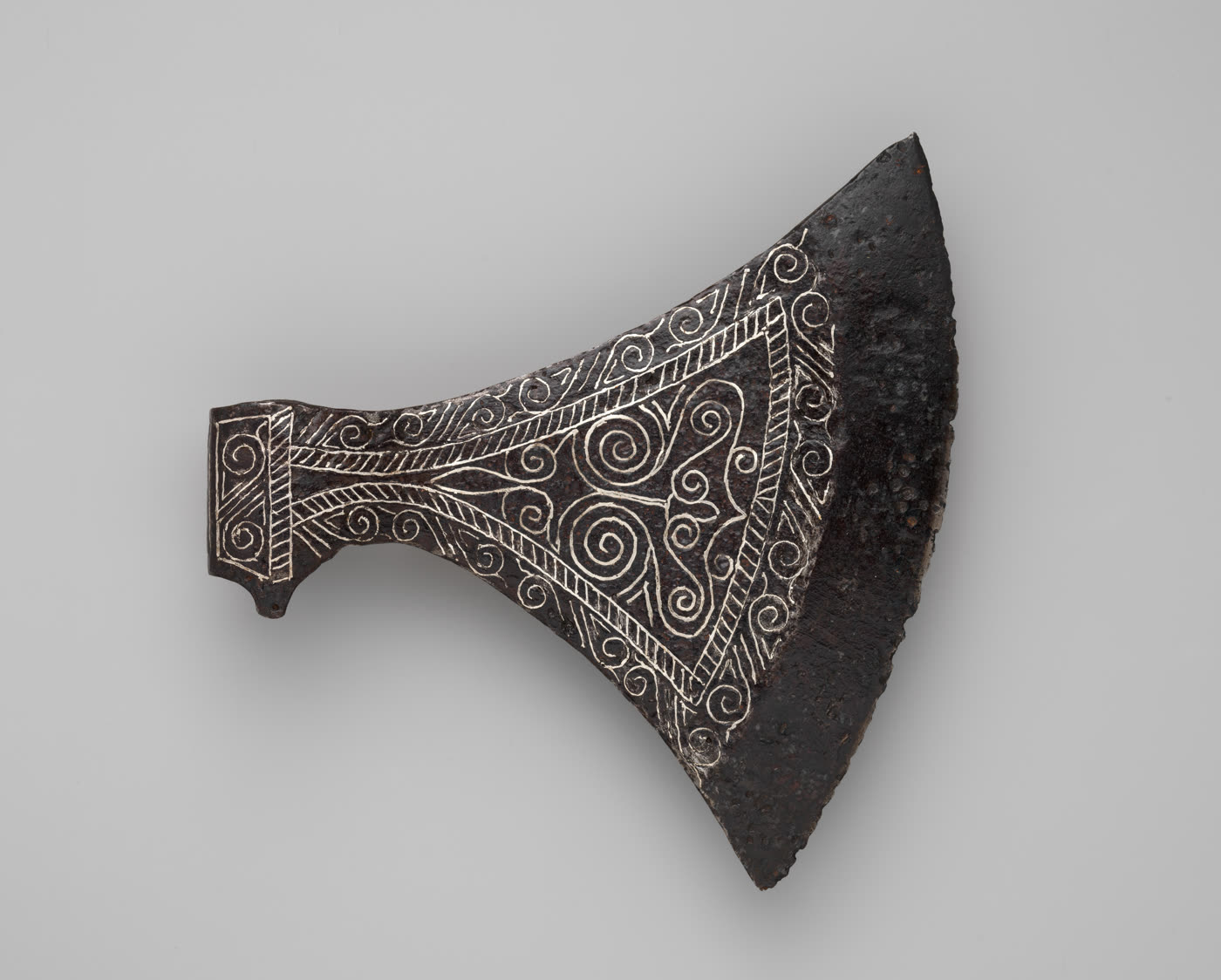
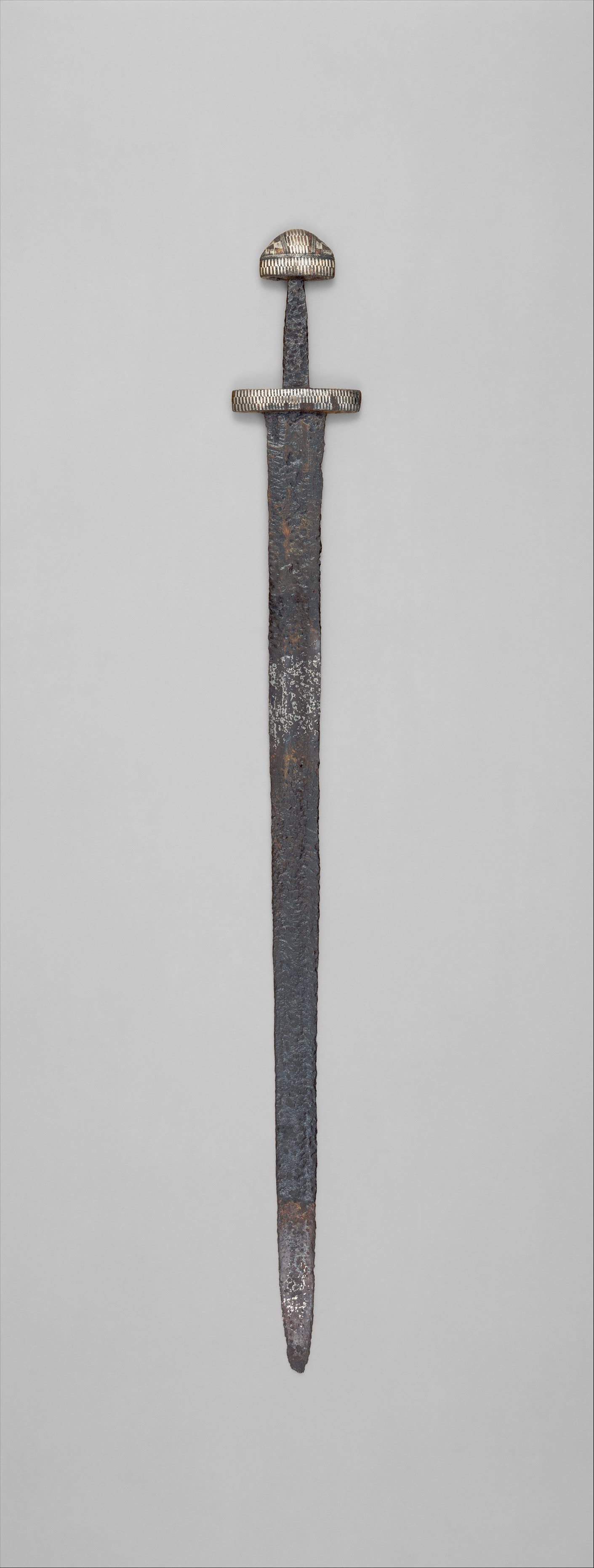

4.54 billion years ago
Before anyone, there was this. You are standing on a world about four and a half billion years old.
Chapter 1
NASA and ESA publish the photographs in this room. A neighboring galaxy, a deep field, then one planet. The feeling of smallness is a caption, not a new measurement.
No distance, age, or galaxy count is printed. The plates carry their NASA and ESA credits.
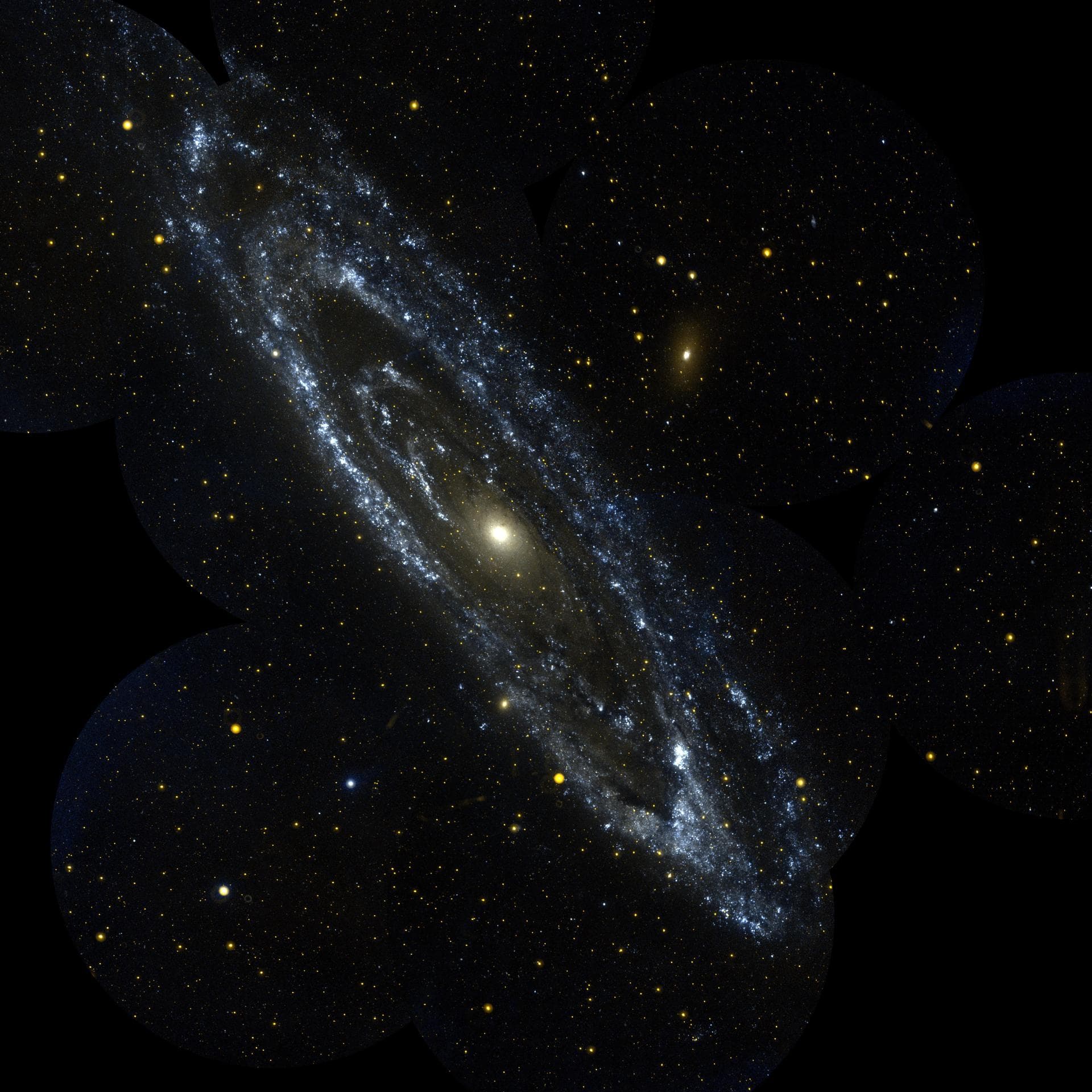
Andromeda, the massive neighbor in our Local Group of galaxies.
NASA / JPL-Caltech. Galaxy Evolution Explorer. Image PIA04921.
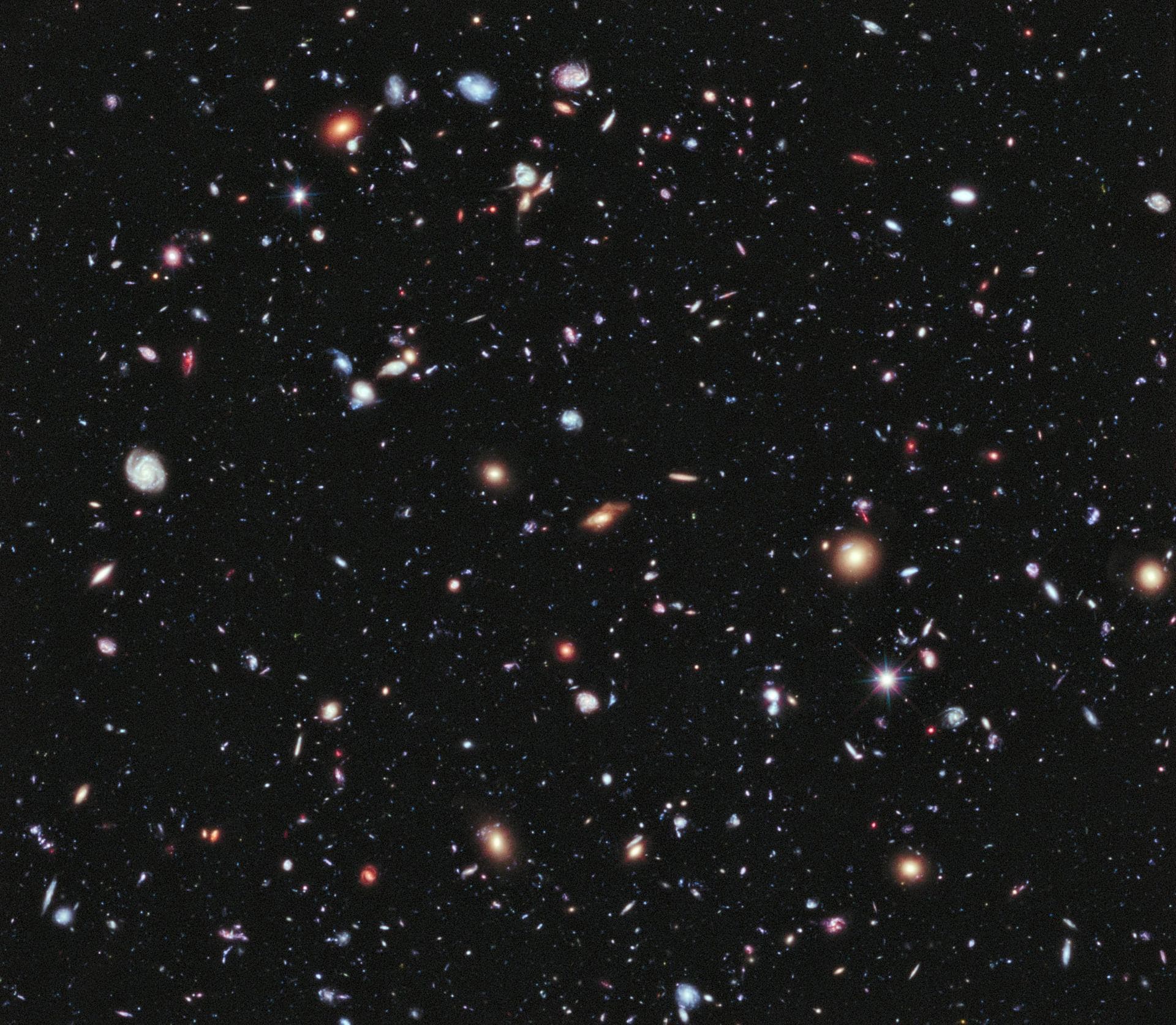
A small patch of sky, assembled from years of Hubble exposures.
NASA / ESA. Hubble eXtreme Deep Field, released 2012. Image GSFC_20171208_Archive_e001651.
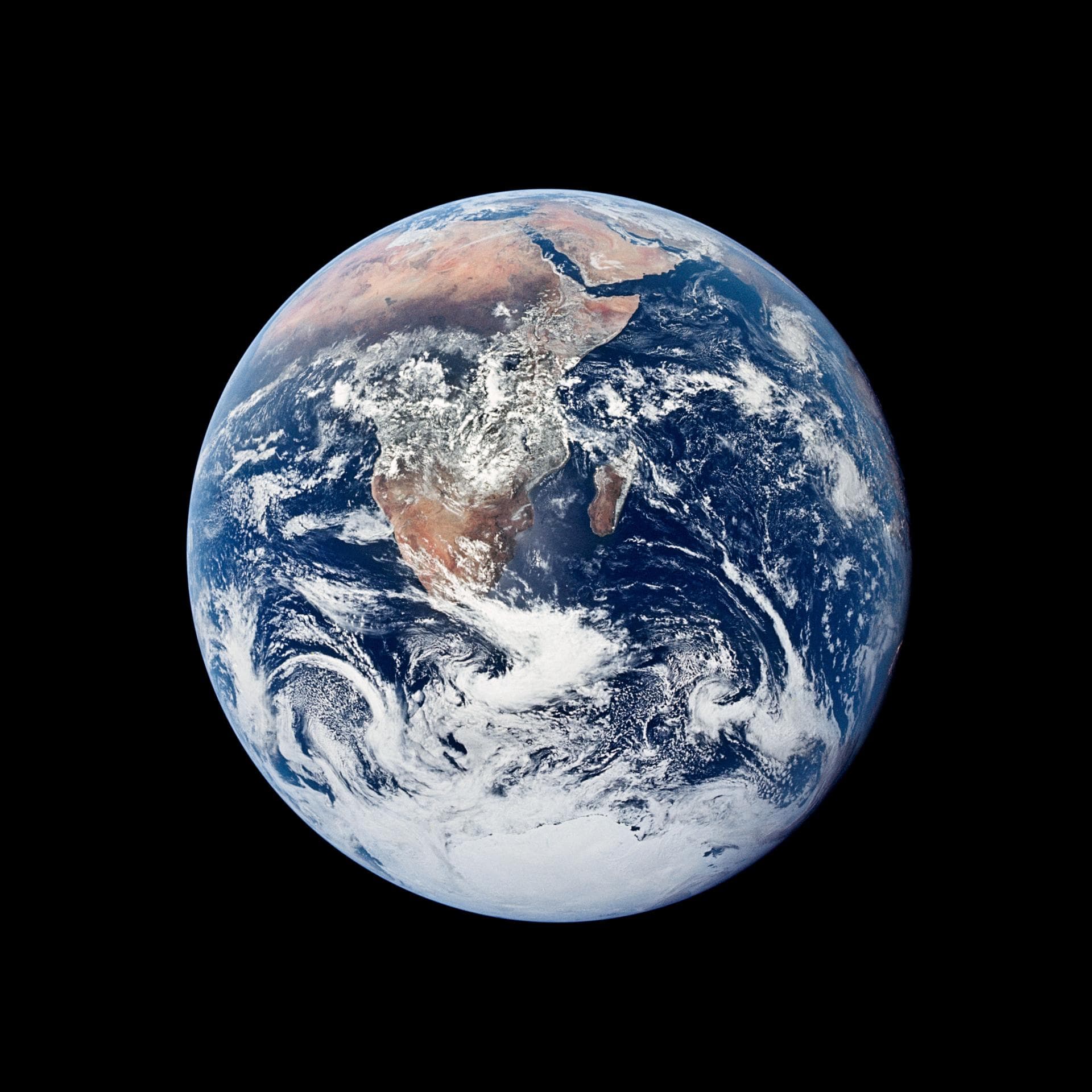
Earth, on the way to the Moon. December 7, 1972.
NASA / Johnson Space Center. Apollo 17. Image AS17-148-22727.
Earth fills the frame. The rooms after this — woods, food, sickness, what we do not know — are not built. Nothing here invents them.
Not in this preview
Those chapters stay empty on purpose. This museum will not invent a prehistoric day, a diet, or a date. When they open, the notes come from Smithsonian Human Origins and peer museums, and uncertainty stays on the page.
Chapter 4
The exhibition will set societies side by side only inside a cited era, and only when it is not inventing a meeting between them. Norse, Egyptian, and Indian histories are the first names on the storyboard. This page does not claim they shared a century.
No date, ruler, or object is stated. Viking-age Scandinavia beside pharaonic Egypt would be a false pairing, so the era band is not locked.
Open a seal to read one civilization at a time. The marks are drawn for this museum. They are not old objects.
Enter the sealsLayout only · era not locked
Open-access object not placed.
The Viking Age in Scandinavia is the subject of this panel. No ship is shown, and no raid is dated.
Open-access object not placed.
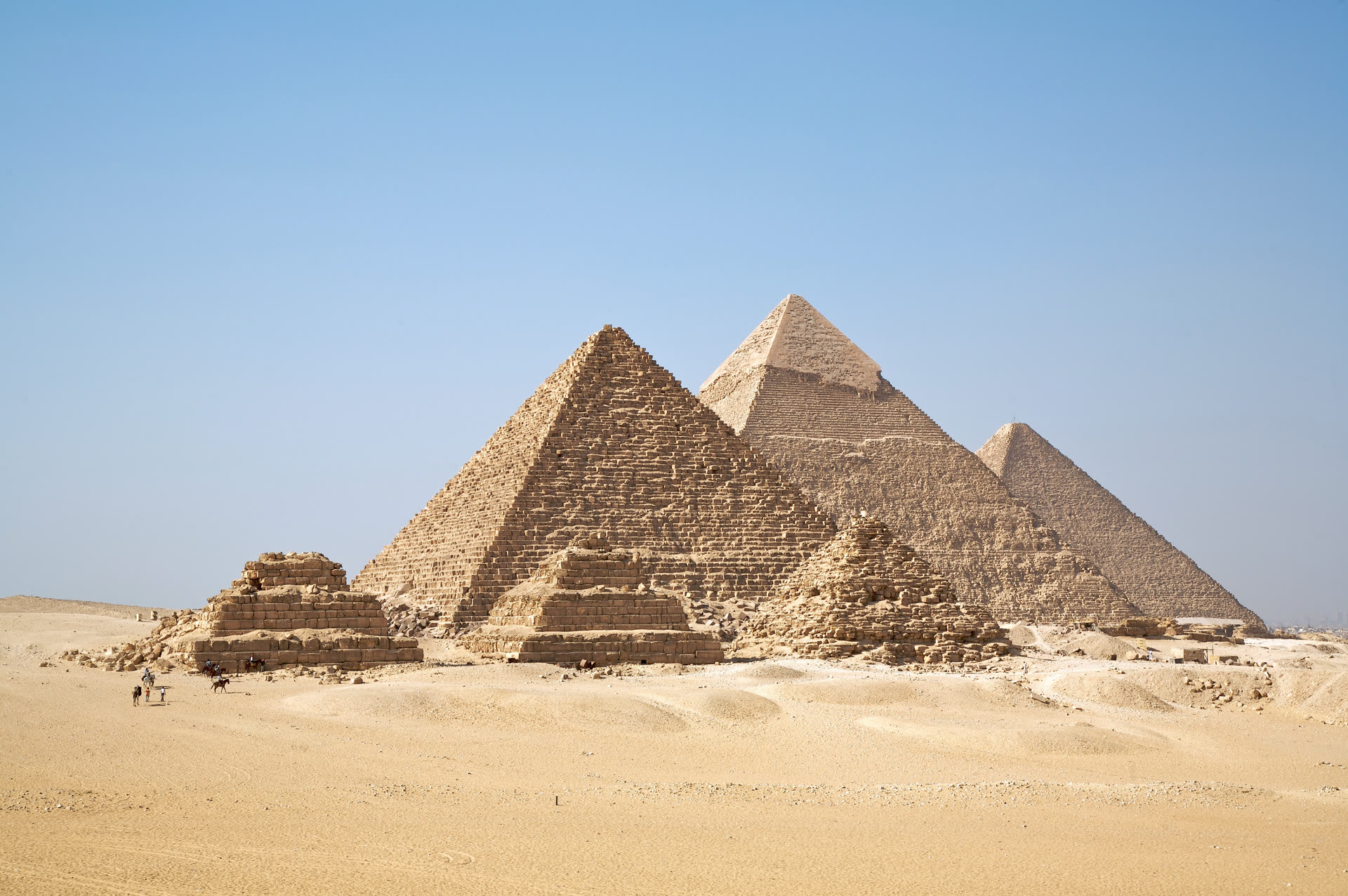
Ancient Egypt, along the Nile, is the subject of this panel. No dynasty and no object.
The empty frames are deliberate. Open-access photographs from the Met, the British Museum, and the Louvre can replace them later. Nothing here is a generated picture presented as an artifact.
Open-access object not placed.
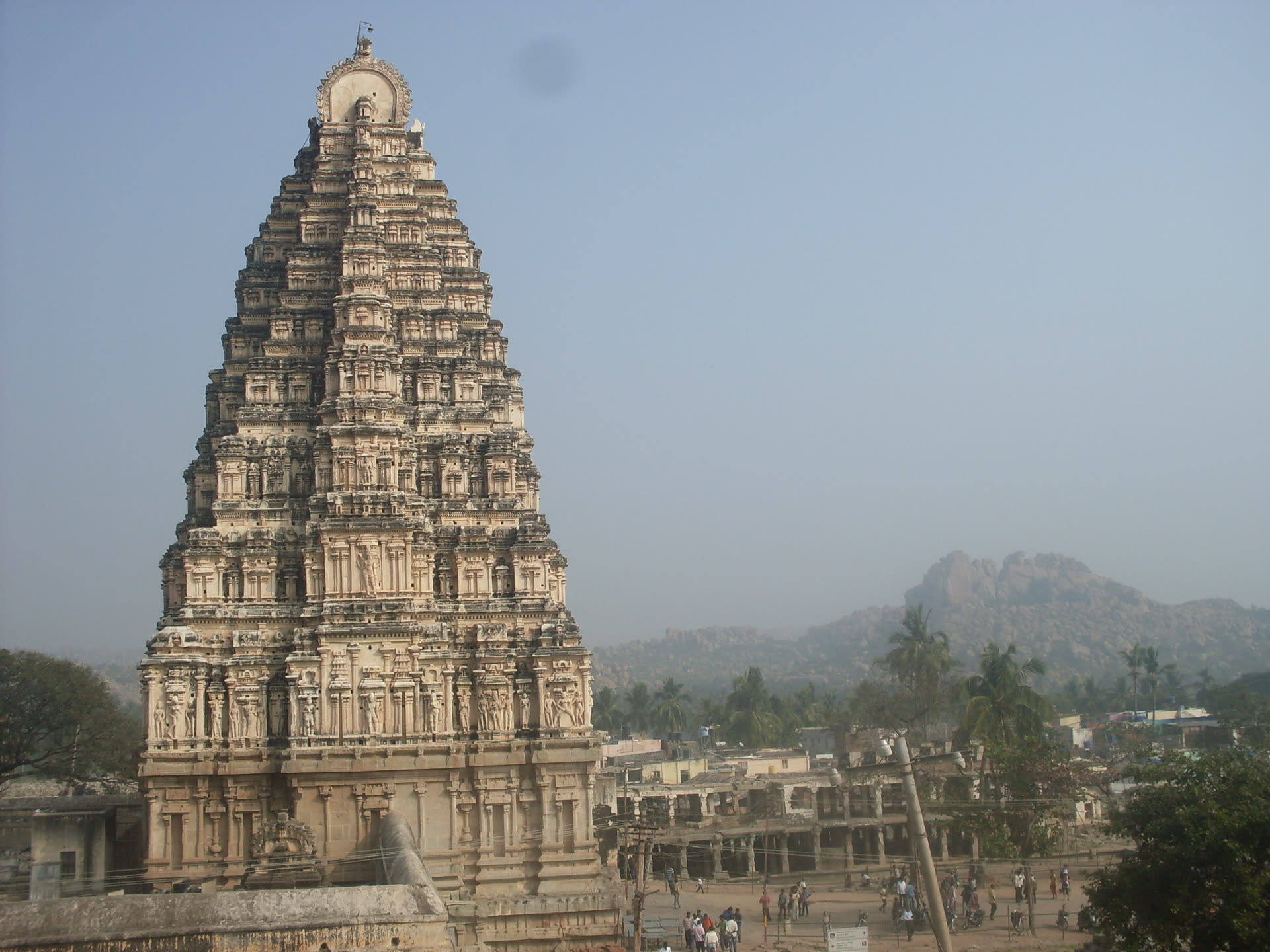
Many states and traditions on the Indian subcontinent. Not one empire, and not a contact story with the other panels.
Another civilization can rotate into this frame later. The frame stays blank rather than invent a partner.
Modern history
Borders, populations, and fortunes are the residue of decisions: treaties, conquest, colonization, flight, and admission under law. This room is a frame, not a verdict.
A faith, a diaspora, or an immigrant community is not an enemy on this page. Migration is not conquest.
Constitutions, treaties, and court rulings are records of how a state claims authority. What those documents meant to people who did not write them is often argued.
No named constitution or border is stated.
Armies have crossed borders, and empires have annexed land, across the historical record. Conquest and colonial rule are categories of events. They are not the signature of one living people.
No campaign is stated.
People move. Reference works separate, at minimum, movement inside a country, flight from war or persecution, and entry under another country’s immigration law. Demographic change can follow any of these. It is not, by itself, a conquest.
This preview does not describe a present-day route or a living community’s character.
Power sits with whoever can enforce a decision: a monarch, a colonial office, an elected government, an occupying force. The list changes by place and year. Saying which of those mattered most is interpretation.
No named government is stated.
Some places were stripped by war or extraction. Some recovered. Some were never colonized and still struggled. Some were colonized and later prospered. Historians and economists disagree about causes. This page records the disagreement. It does not praise or indict a people.
No country or statistic is stated.
Chapter 10
States and factions still compete for power, land, and minerals. Surveys of history and international relations describe that pattern. It is not a secret plot. It is not the nature of one religion, one race, or one immigrant community.
No present-day war or mineral claim is stated.
Living humans are Homo sapiens. The same origin story opened this book: a small world in a dark field, then people who learned fire, farming, faiths, and states. Those middle rooms are still being written with sources, not slogans.
Remember where we came from.
Sharing is not part of this preview.