01 · Seal
Germany
Germany as one state is young in the surveys. The federal republic people know is not the Holy Roman Empire, and it is not the dictatorship of the 1930s. That dictatorship is not treated here as a height.
An original geometric mark for this room. It is not a historical seal, a flag, or an artifact. The opening is a film. Its credit is on the frame.
Inside Cologne Cathedral. CC BY-SA 4.0, Quahadi. Twelve seconds, silent. A church interior, not the federal republic, and not a height set in the 1930s. CC BY-SA 4.0 · Quahadi
02 · Founding
Founding
German-speaking lands sat inside larger empires for a long time. Surveys treat nineteenth-century unification as the making of a German nation-state. The year and the treaty wait for a citation.
No unification date is stated.
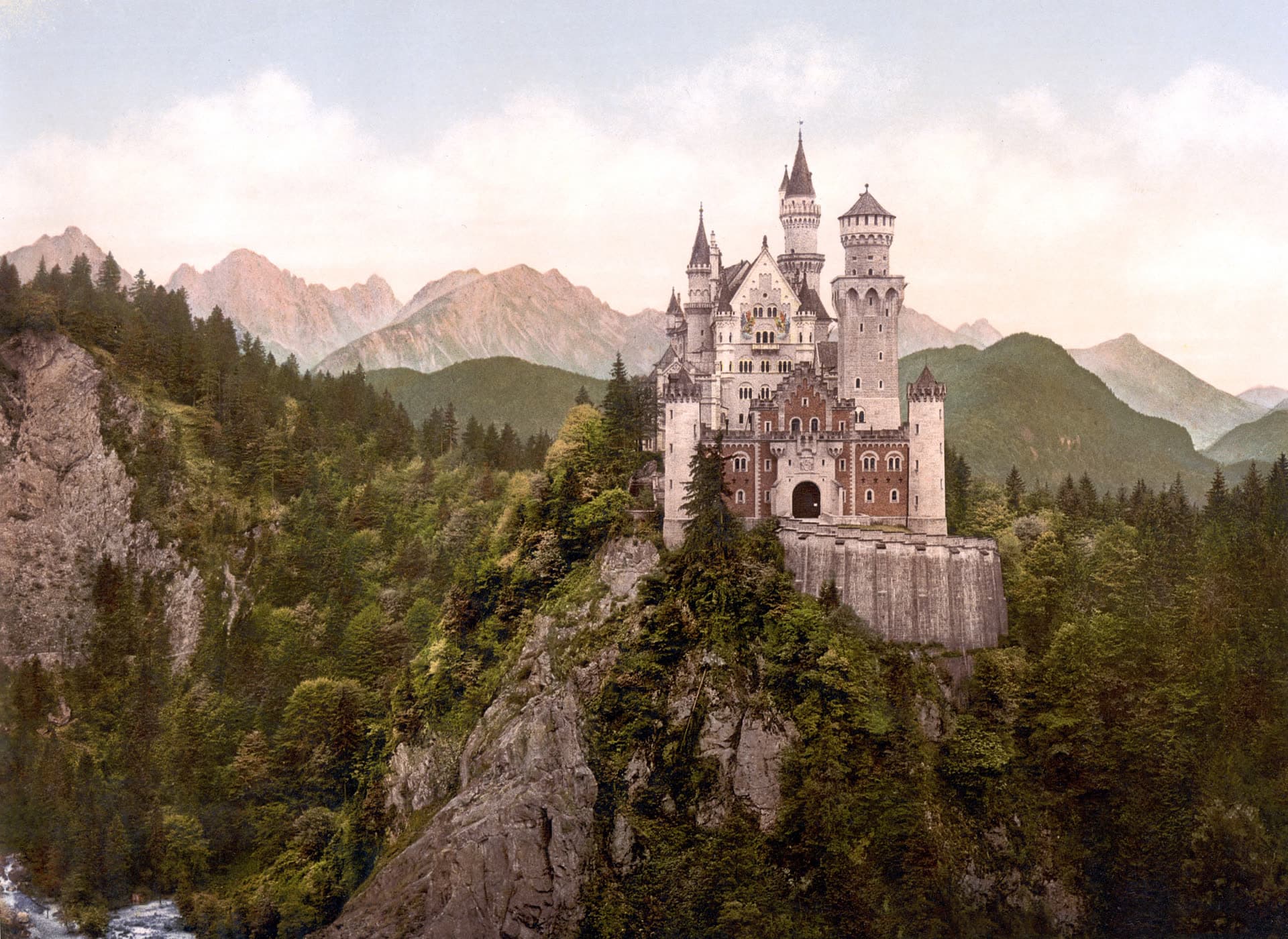
Neuschwanstein, a nineteenth-century castle in Bavaria, from a Library of Congress print. It is not the unification treaty. Public domain · Library of Congress
03 · Peak
Peak
Learning, industry, and imperial power are different candidates for a height. This page refuses to set the Nazi years as a cultural peak.
No scientific or industrial claim is stated.
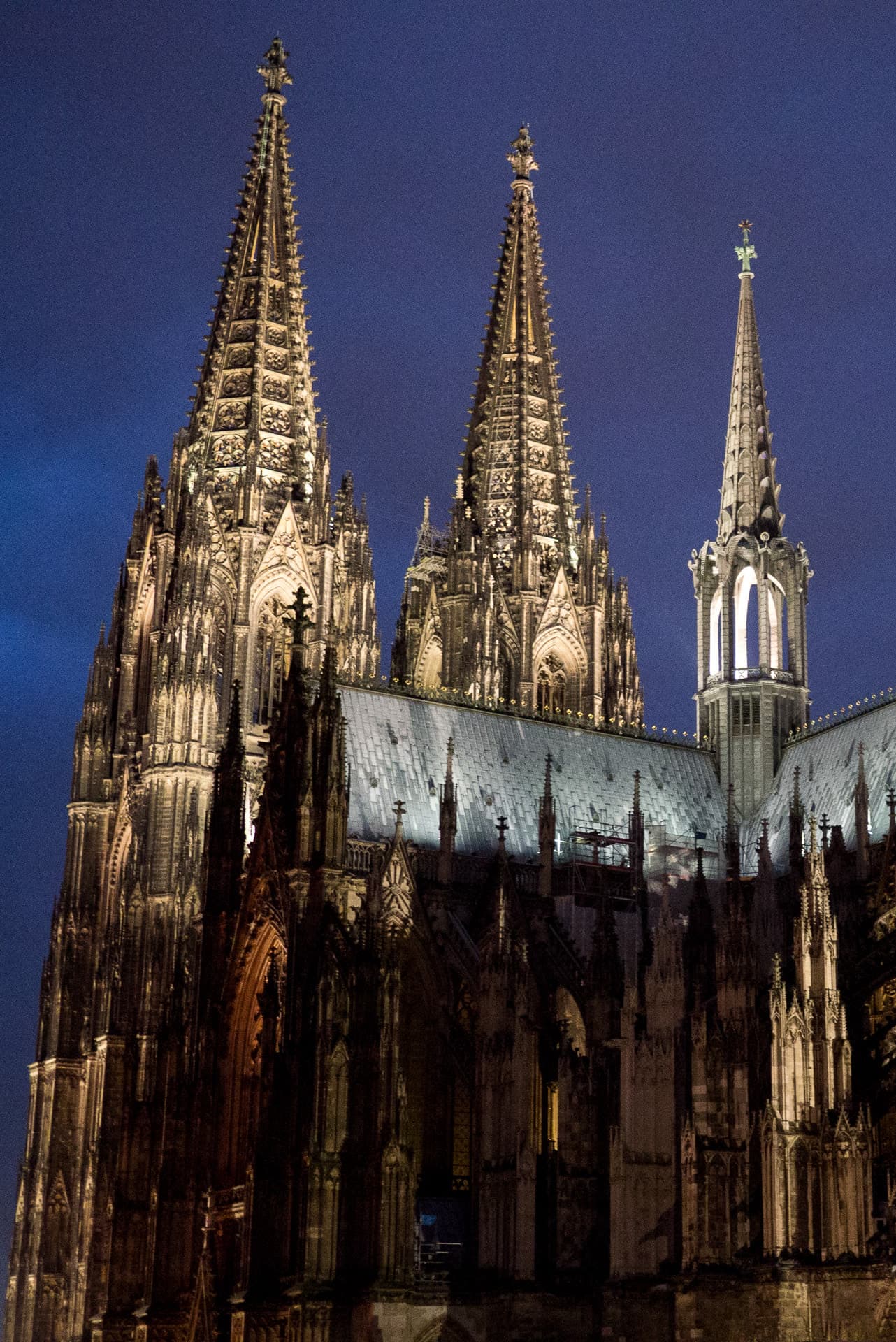
Cologne Cathedral at night. A photograph of the church. The Nazi years are not treated as a height anywhere on this portal. CC BY-SA 3.0 · Thomas Roessler
04 · Object
Two objects
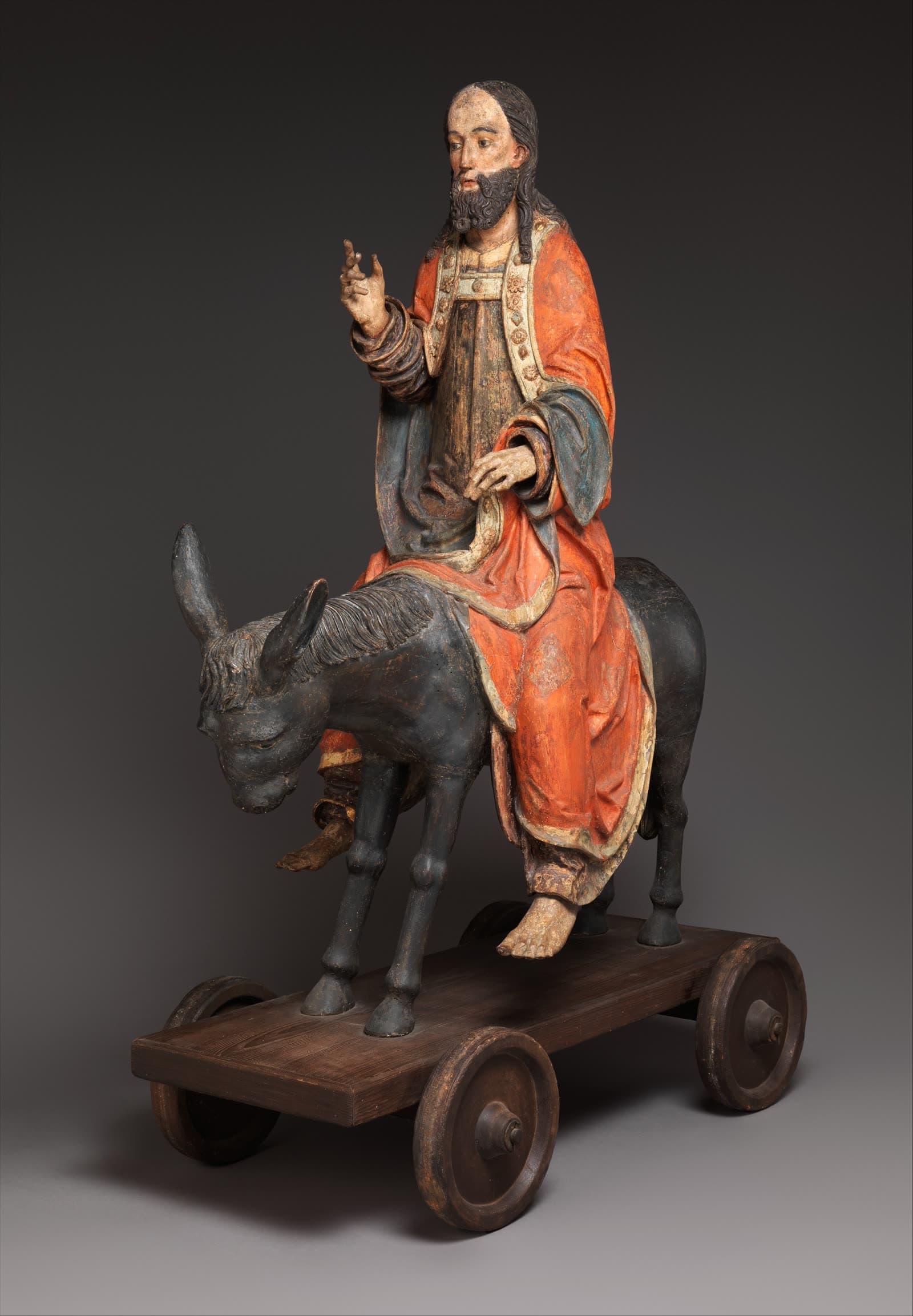
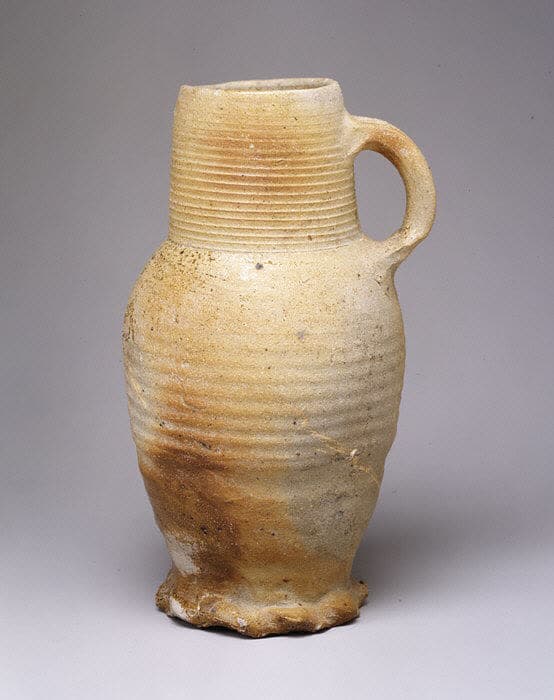
The Metropolitan Museum of Art identifies this limewood sculpture as a German Palmesel of the 15th century, from The Cloisters. The century is the museum’s. Belief here is descriptive. The Nazi years are not a height. A second object is a German stoneware jug the Met dates to the late 1300s or early 1400s.
The sculpture is not the federal republic, and it is not a sermon.
Palmesel. German, 15th century, in the Met’s date line. The Cloisters Collection, 1955. The Metropolitan Museum of Art · Open Access · public domain
05 · Turning
Turning
The Nazi dictatorship, a world war of conquest, and the genocide of Jews and other groups are documented. This stub does not retell them and does not soften them. Division after defeat, and later union, are the survey path toward the present state.
No date, camp, or count is stated.
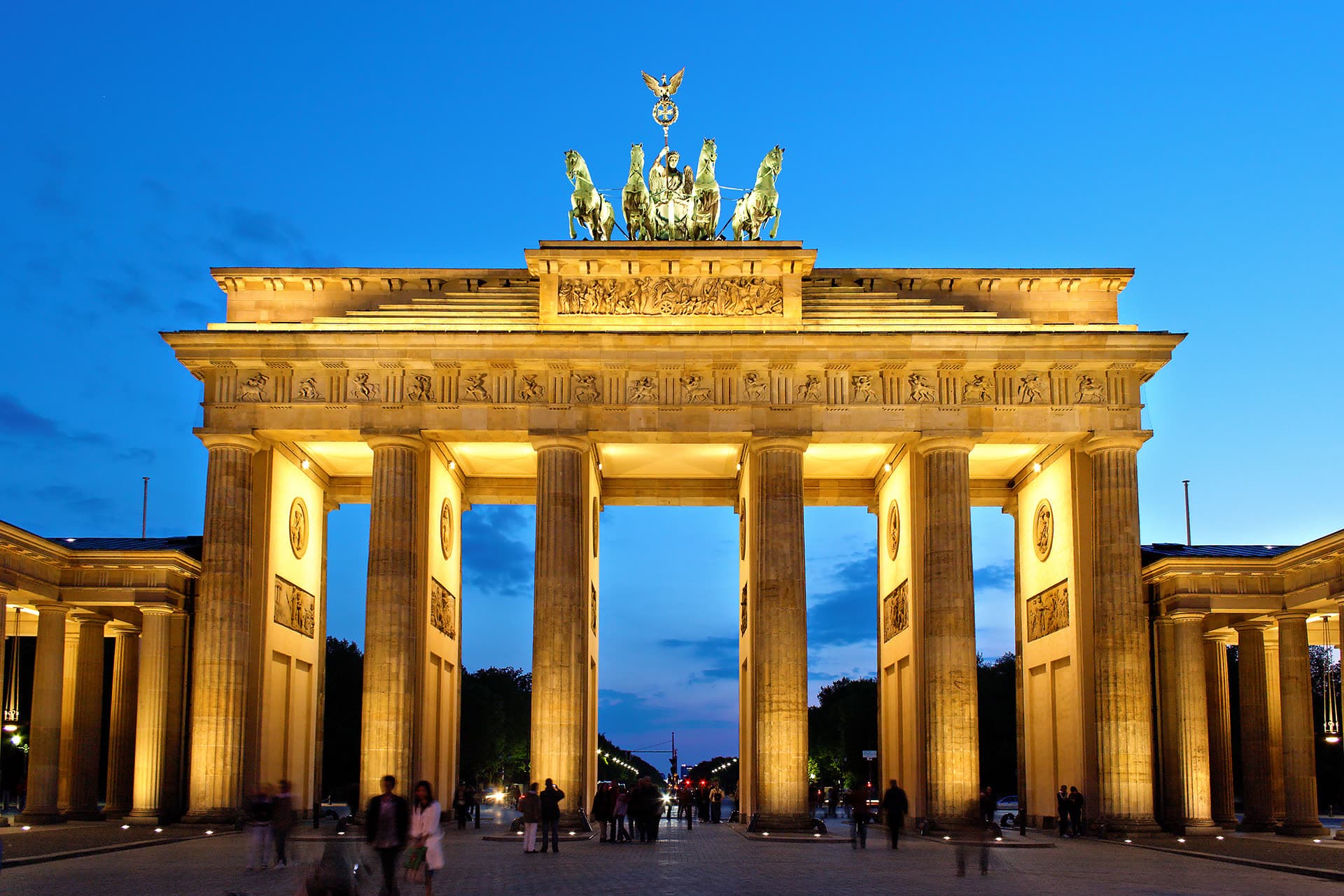
The Brandenburg Gate in Berlin, in the evening. A place. The dictatorship and the genocide are cited in the text and not softened here. CC BY-SA 3.0 · Thomas Wolf
06 · To the present
To the present
The Federal Republic of Germany is the modern country. Surveys treat the 1990 union of two German states as the political shape people know. The legal text is not copied here.
No treaty name or election result is given.
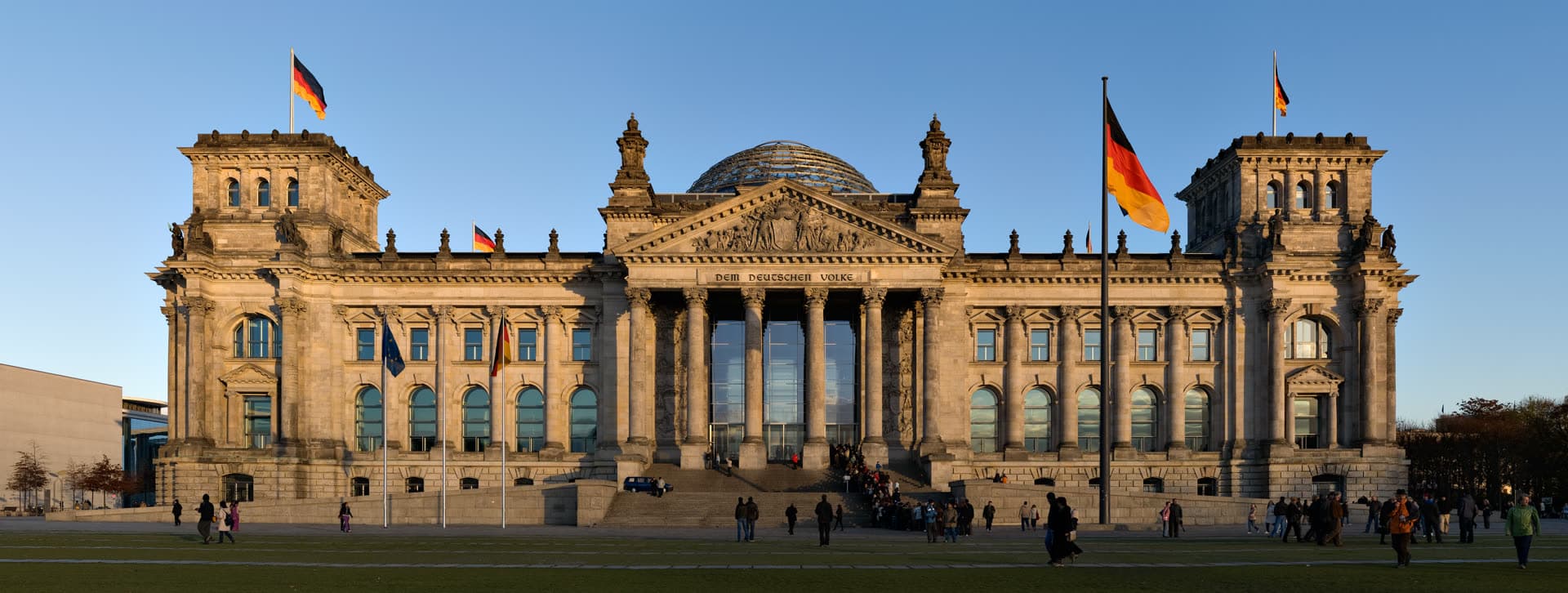
The Reichstag in Berlin, seat of the modern federal parliament. A photograph. Not an election pamphlet. CC BY-SA 3.0 · Jürgen Matern